Little Explorers Learning Academy

Our approach

Early development,taken seriously.

Plenty of places will keep your child safe and happy for the day — and that matters. We do that, and we also pay close attention to what is developing in your child right now, and set up the room and the day so that it can.

That is the whole idea behind Little Explorers. Teachers plan deliberately, children learn through play, and you hear what we are seeing — the new words, the new confidence, the thing they could not do last month and can do now.

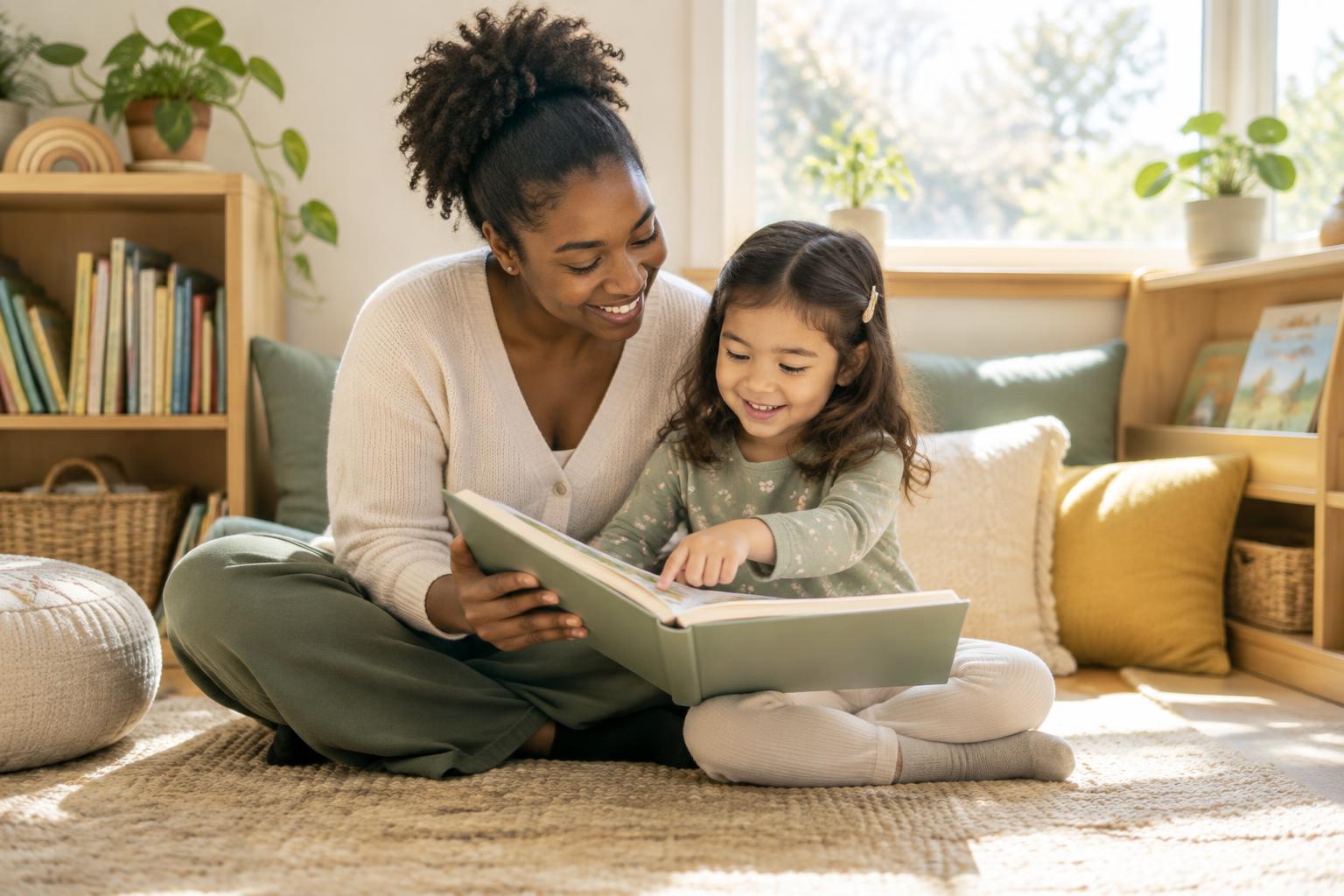
A teacher and a young child reading a picture book together in a sunny reading nook

Six things we are deliberate about

None of this needs a worksheet. It needs adults who know what they are looking for, materials worth using, and time.

01

Language, all day long

Language is the foundation everything else sits on. Teachers narrate what children are doing, ask real questions and wait for answers, sing and rhyme, and read aloud every day. For babies that means face-to-face talking and back-and-forth sounds; for Pre-K it means hearing the sounds inside words and putting ideas into sentences.

  • Books read aloud daily
  • Songs, rhymes and fingerplay
  • Real conversation, not instructions
02

Feelings and friendships

Social and emotional learning is not a poster on the wall — it is what happens when two children want the same truck. Teachers help children name what they feel, wait a moment, use words, and come back together after a hard moment. That is the work that makes a classroom (and eventually a job) feel manageable.

  • Naming feelings out loud
  • Turn-taking with adult support
  • Repairing, not just correcting
03

Bodies that can do more

Large-motor and fine-motor skills grow through use. Climbing, running, balancing and pedaling outside; gripping, pinching, threading, cutting and drawing inside. We give children materials worth practicing on, and enough time to get better at them.

  • Daily outdoor play
  • Climbing, balancing, riding
  • Grip, scissors, buttons, cups
04

Thinking like a problem-solver

Early math and reasoning show up in ordinary play: sorting the animals, counting the cups, spotting the pattern in the blocks, figuring out how to reach the top shelf. Teachers set those problems up and then get out of the way, because the discovery needs to be the child’s.

  • Sorting, counting, patterns
  • Puzzles and building
  • Open-ended materials
05

Small groups, real attention

Group size matters more than almost anything else in early childhood. Our rooms are intentionally small so teachers can notice the child who has gone quiet, sit on the floor with the one who needs help, and know exactly where every child is in their development.

  • A known teacher every day
  • Room to be seen and heard
  • Close partnership with you
06

Ready for kindergarten

Kindergarten readiness is more than knowing letters. It is being able to sit in a group, follow two-step directions, ask an adult for help, manage a coat and a lunchbox, and walk in feeling like school is a place where you do well.

  • Letters, sounds and name writing
  • Listening in a group
  • Self-help and confidence

What we willnever do

Early childhood is not a race, and a four-year-old is not a small second-grader. We promise you this much:

  • No worksheets in place of play.
  • No shame for a child who is having a hard day.
  • No comparing your child to the child beside them.
  • No surprises — you will hear from us before something becomes a problem.

“We pride ourselves on helping children with their early development.”

That is how the owner of Little Explorers puts it — and it is what every room, every day is built around.

Talk to us: 636-493-1012

The best way to understand it is to see it

A tour takes about half an hour. You will see the rooms in use, meet a teacher, and get honest answers about availability and what the first weeks look like.

Request a tour