A day here
A rhythm childrencan count on.
The shape of the day stays the same, so children always know what comes next. The details shift by room, because a baby and a four-year-old need very different days — and because some days, the best thing to do is follow where the children are curious.
From the door to the door
A typical day, not an exact timetable. Ask us for the schedule for your child’s room when you tour.
- 01
Morning
Drop-off
A familiar grown-up greets your child by name at the door, and the day starts gently.
- 02
Morning
Welcome and free play
Children settle in with open-ended play, books and a little time to wake up.
- 03
Midday
Learning and circle time
Songs, stories, calendar and the day's project — short, hands-on, and built for the age group.
- 04
Midday
Meals and snacks
Children eat together with their teachers, with plenty of time to talk.
- 05
Midday
Nap or rest
Cots and quiet music; younger children sleep to their own schedule and older ones rest and read.
- 06
Afternoon
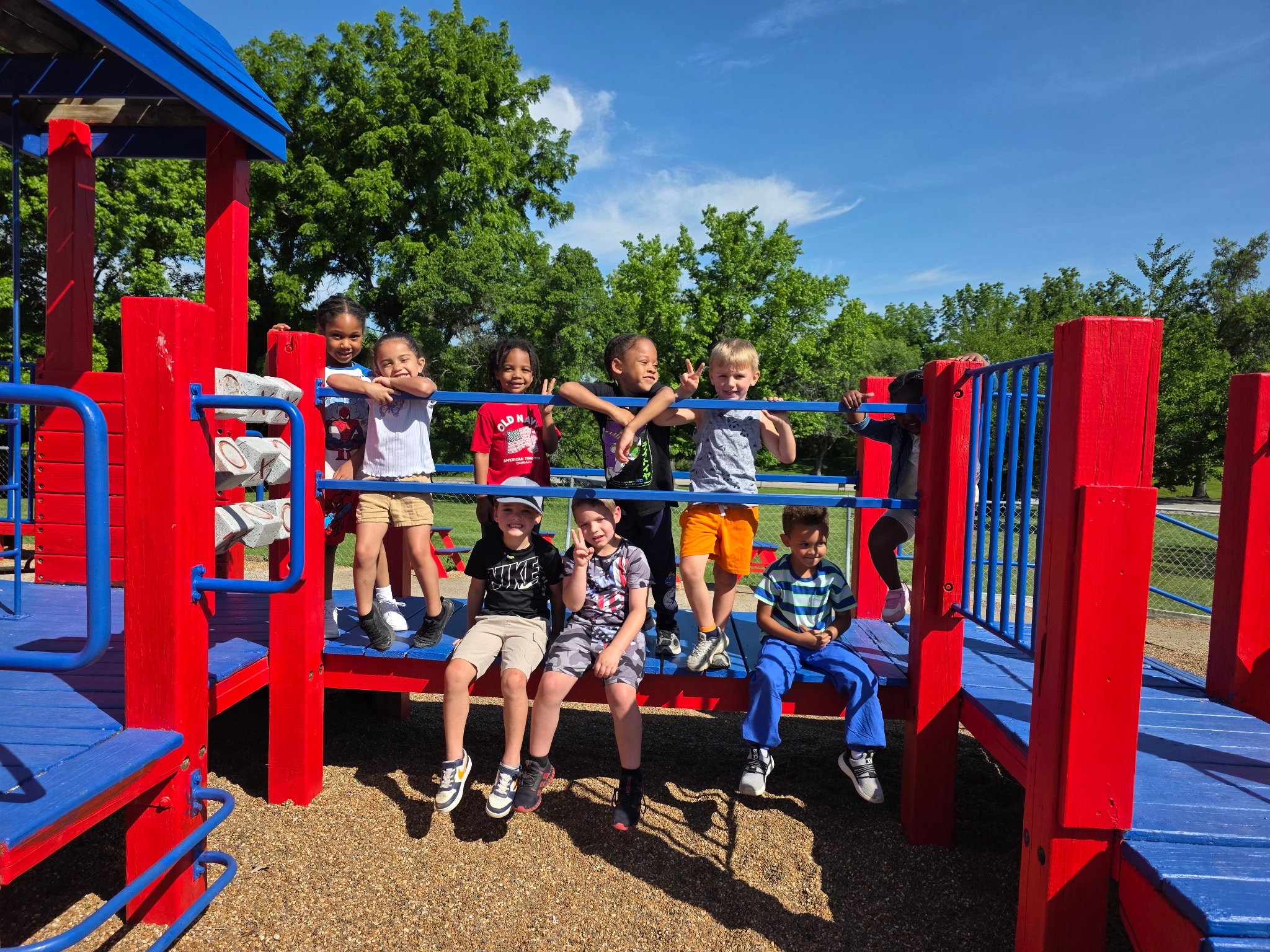
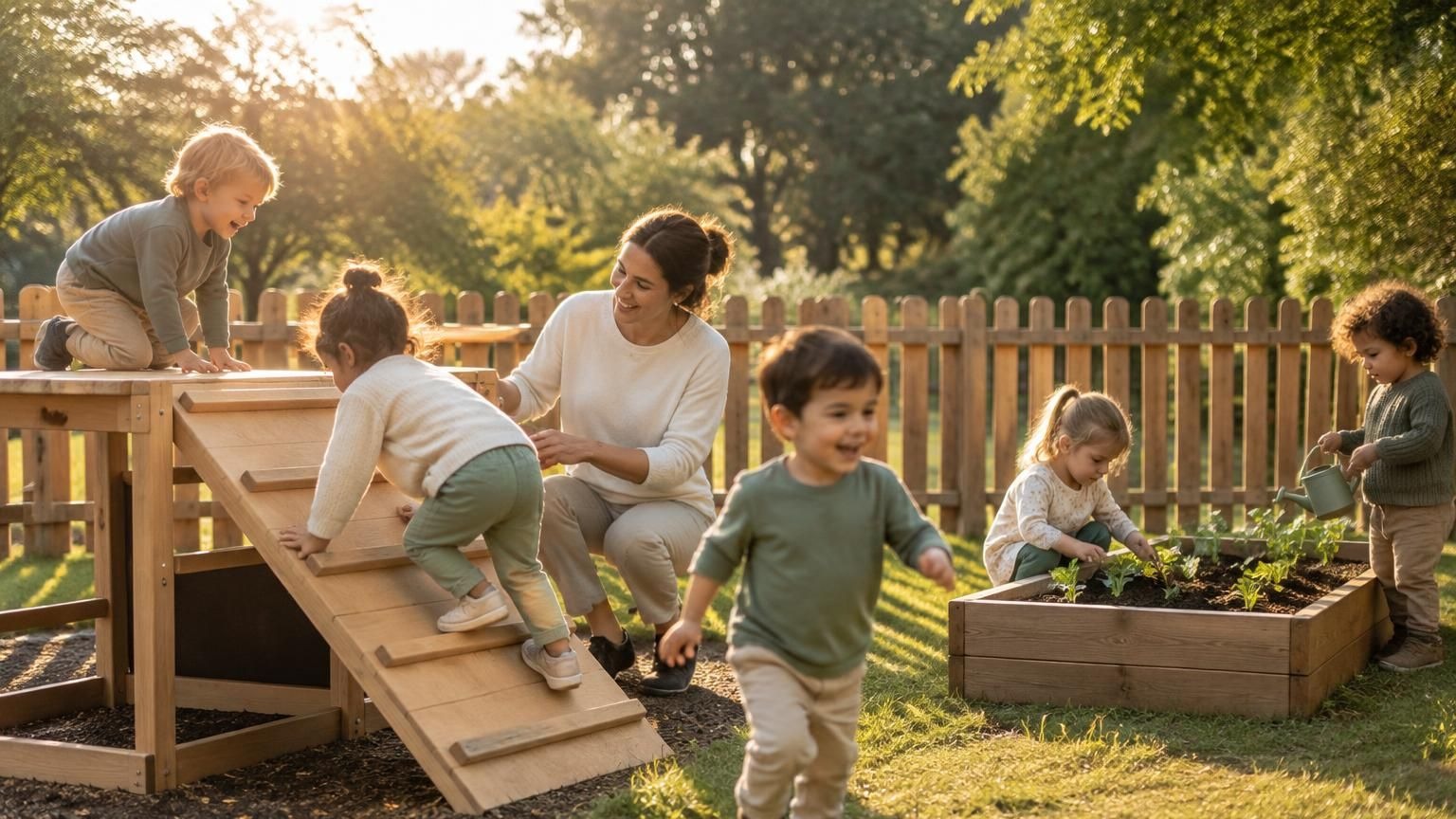
Outdoor play
Outside time every day the weather allows — climbing, running, digging and water play.
- 07
Afternoon
Pickup
A calm handoff with a quick note about the day, so you know what happened while you were away.
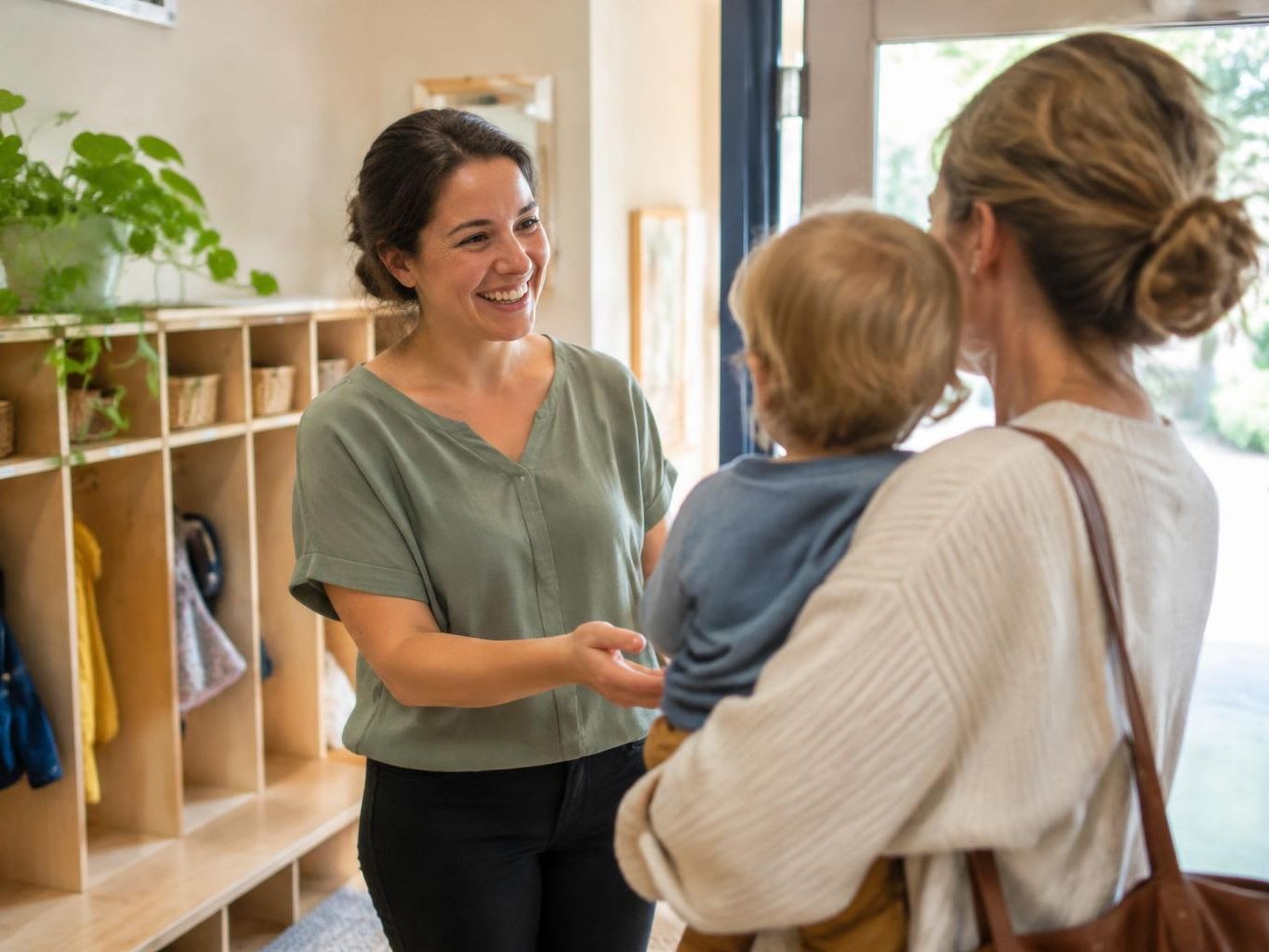
The first drop-off
Expect a short, warm goodbye rather than a long one — it is easier on children. Tell the teacher how the morning went, hand over the bag, and know that they will let you know how your child settled in. You are welcome to call and check.
Same rhythm, different room
How the day actually feels changes a lot between six months and ten years. Here is the honest version by age.
Infants
No fixed schedule at all. Babies eat when hungry and sleep when tired, and teachers follow the rhythm your baby already has at home. Tummy time, talking and being held fill the awake hours.
Toddlers
One short group time a day, lots of movement, and a solid afternoon nap. Snack and lunch are unhurried, because feeding yourself is a skill worth practicing.
Preschool
A morning project, circle time, outdoor play, rest, and an afternoon of free choice — art, pretend play, blocks, books.
Pre-K
A little more structure: group time, a focused small-group activity, and practice with letters, numbers and following directions — balanced with plenty of play.
School age
Before school: breakfast and a calm send-off. After school: snack, outdoor time, homework space, and friends. School breaks and summer are full, active days.
Questions about your child’s day?
Call or text us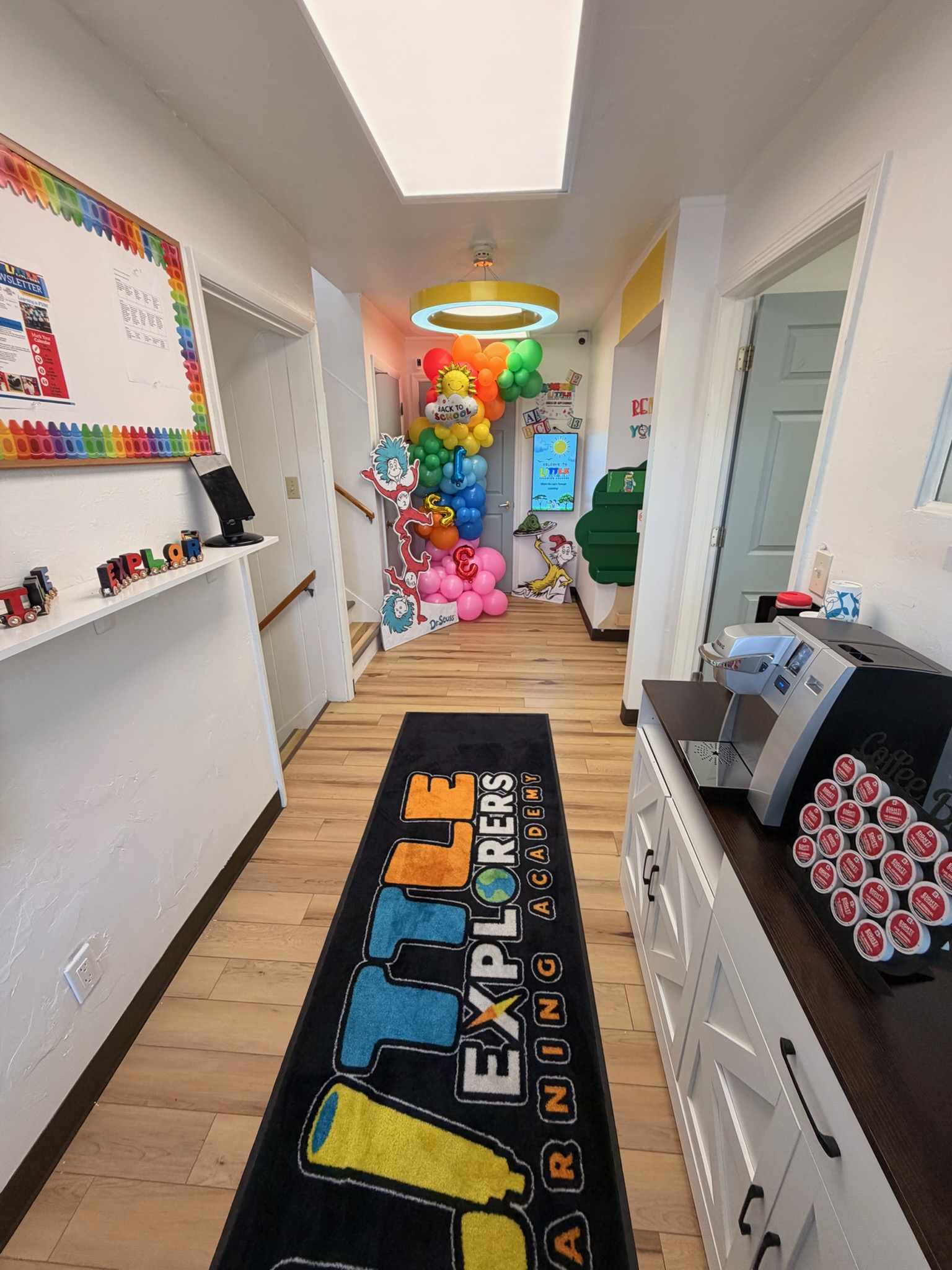
Where the day happens
The rooms sit right off that one hallway.
Every room opens onto the same hallway you walk in on, so a child moving up to the next group is moving a few doors down — not across an unfamiliar building. By the time they are in Pre-K, they have known that hallway for years.
Each room is arranged for the age it holds, which is why the infant room, the toddler room and the Pre-K room do not look or feel the same. You will see all of them on a tour, in the middle of a normal day.
- Cubbies by the door
- Bulletin boards along the wall
- Rooms set up by age
Outside, every day
Weather permitting, children go outside daily — the running and climbing that settles a busy body, the garden bed they help water, and the puddles worth investigating.
Ask us what to send on outdoor days, and what your child will need in their bag.
Ask about a spot